

Athletic performance isn’t built on training alone; it’s underpinned by biochemical precision. For athletes pushing their bodies to the limit, ensuring optimal vitamin intake is as critical as refining technique or getting their nutrition strategy on point. But which vitamins play an essential role when it comes to supporting performance? Here, we take a look at the crucial micronutrients, vitamins and minerals playing a starring role when it comes to performance.
Which vitamins should athletes take?
Athletes have higher nutritional demands than the general population because training places stress on muscle tissue, bone structure and metabolic pathways. Whilst a balanced diet should remain the foundation of any good nutrition strategy for athletes, several vitamins consistently emerge as particularly important for active individuals:
- Vitamin D
Contributes to the maintenance of bone health, a normal immune system, and muscle function, especially in countries with limited sunlight exposure, particularly in the UK during the winter months.
- Vitamin C
Supports collagen formation and helps protect the cells from oxidative stress.
- B Vitamins
Play a role in energy metabolism, helping convert carbohydrates, fats and protein into usable fuel.
- Vitamin E
Acts as an antioxidant and may help limit cellular oxidative damage during heavy training.
Many athletes rely on sports-specific multivitamin products to cover these bases, but it’s important to remember that supplementation should complement, not replace, whole food nutrition.
What impact does vitamin intake have on athletic performance?
Adequate vitamin intake supports athletic performance by ensuring that the body can meet the increased metabolic and structural demands of training. Vitamins act as co-factors in energy production, helping convert food into the fuel required for both endurance work and explosive movements. They also play key roles in immune health, muscle repair and the control of oxidative stress that accumulates during intensive exercise. Optimal vitamin status supports physiological processes involved in recovery, training adaptation and maintaining immune function, all of which are important for athletes. Although vitamins are required only in small amounts, they help regulate key systems involved in performance, particularly for athletes operating at high training loads or in environments that place extra stress on the body.

What impact does a vitamin deficiency have?
A vitamin deficiency can affect performance in both obvious and subtle ways:
- Low Vitamin D has been linked in research to reduced muscle function, poorer recovery and increased risk of bone-related issues due to reduced calcium absorption and compromised bone mineral density; as well as an increased risk of contracting upper respiratory tract infections (Shuk-Tin Ip et al., 2022).
- Calcium deficiency further intensifies these issues by affecting bone health and interfering with normal muscular contraction.
- Inadequate Vitamin C status may be associated with slower tissue repair processes, reduced immune system support and an increased susceptibility to upper respiratory tract infections, which can interrupt training.
More generally, insufficient intake of key vitamins can contribute to fatigue, impaired concentration, reduced endurance capacity and less effective training adaptations. Even a mild deficiency may limit performance gains over time, making regular assessment and adequate vitamin intake essential for athletes who train at high volume.
How can athletes tell if they have a vitamin deficiency?
Athletes may notice changes in training quality or how their body feels day to day when nutrient intake is inadequate:
- Persistent fatigue
- Reduced power output or “heavy legs”
- Frequent illnesses or slow recovery
- Bone or muscle-related issues (possible Vitamin D or calcium links)
- Recurrent colds or slow tissue repair (possible Vitamin C issue)

However, symptoms are not specific, and many deficiencies present with no obvious symptoms at all. Performance plateaus or unexplained drops in training tolerance can also reflect a range of factors, including but not limited to micronutrient status. The most reliable method to assess vitamin levels is through a blood test carried out by a healthcare professional or qualified sports nutrition practitioner. Testing allows targeted adjustments like supplementation rather than guesswork, which is especially important for vitamins that must be kept within an optimal range rather than simply as high as possible.
Should athletes take specific vitamins in winter?

Vitamin D, Vitamin C and Multivitamins can prove invaluable in helping to protect an athlete’s immune system and overall health and wellbeing during the winter months. Taking a daily probiotic containing specific strains of gut-friendly bacteria can also help to support digestive system function; important at all times of the year thanks to the gut’s role in supporting overall health and wellbeing. Probiotics may also help to reduce the chances of performance-limiting gut issues, such as bloating and stomach cramps, during training.
Vitamin D: The Need-to-Knows
Why is taking Vitamin D important?
Winter months in the UK bring shorter, darker days, meaning exposure to sunlight – a key factor in enabling the body to produce its own Vitamin D – is limited. As a result, between October to March in the UK, there are low UVB levels from sunlight to naturally synthesise Vitamin D in the body. Low Vitamin D deficiency status, caused as a result of not getting enough sunlight exposure, may be associated with poorer bone and muscle health and less effective immune support. Vitamin D plays an important role in bone health and maintenance; low levels of this vitamin are associated with poorer muscle performance and a higher incidence of upper respiratory symptoms.
Find out why Vitamin D is important for athletes.
How can athletes increase Vitamin D3 levels?
During the winter months, when sunlight exposure is limited, many people in the UK may struggle to maintain adequate Vitamin D levels through sunlight alone. These low levels may affect muscle function and reduce immune support. In the UK, taking a Vitamin D supplement to help maintain normal status is recommended.
- Recent work by Rojano-Ortega et al (2023) found that 2000 IU/day effectively improved Vitamin D status in athlete groups.
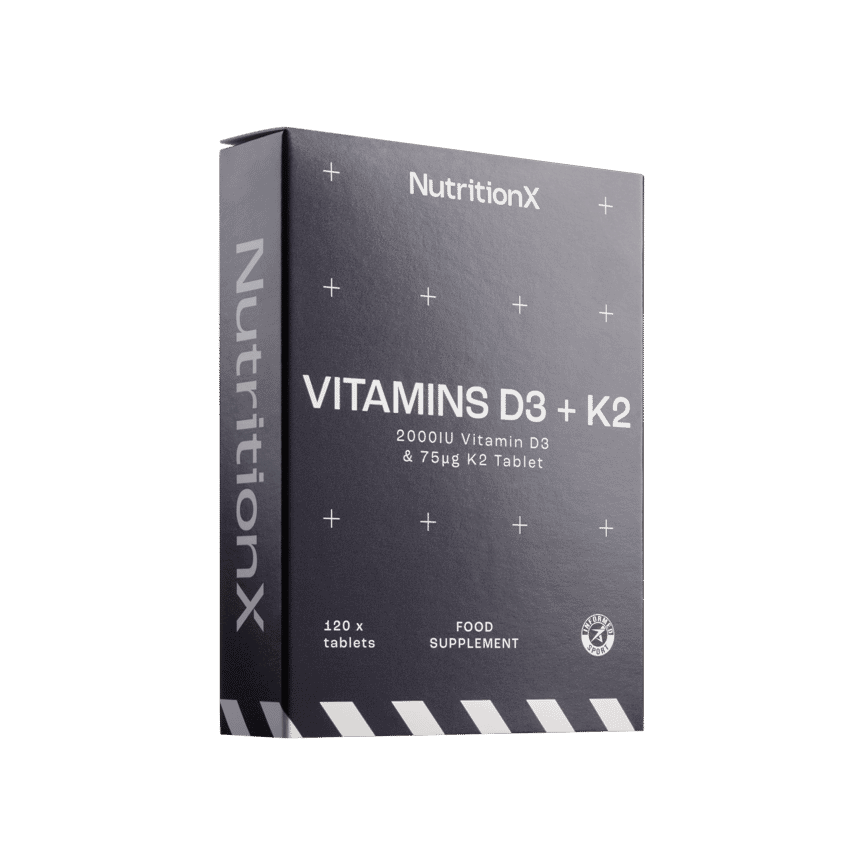
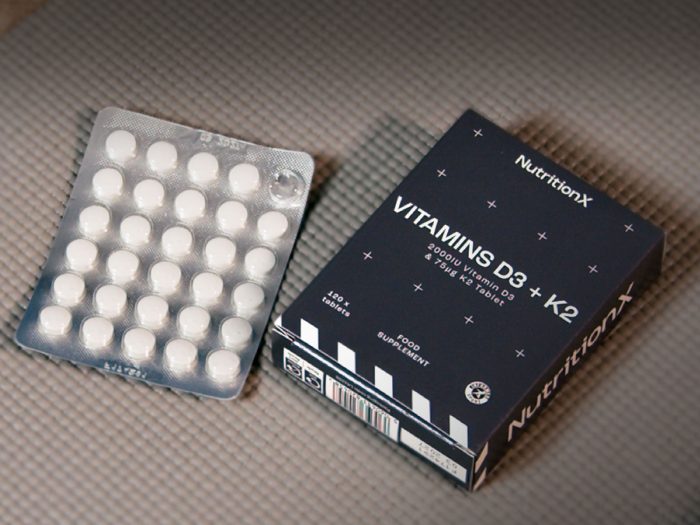
- Our Daily Vitamin D3+K2 tablets provide a convenient way to supplement Vitamin D during this period, in line with the research and public health guidance.
Why should you combine Vitamin D3 with K2?
Vitamin D3 and vitamin K2 work together to support healthy bone metabolism:
- Vitamin D3 contributes to normal absorption and utilisation of calcium
- Vitamin K2 helps activate proteins that direct calcium into bones effectively
Combining the two ensures that athletes may benefit by supporting calcium absorption to maintain long-term skeletal and cardiovascular health. It’s therefore beneficial to supplement with a product that combines the two for maximum efficacy, like our Vitamin D3+K2 daily tablet.
What foods contain Vitamin D?
Although there are foods that contain Vitamin D, such as:
- Salmon
- Mackerel
- Eggs
- Fortified cereals
It is unlikely that you will be able to consume enough Vitamin D from your diet alone; therefore, there’s a possibility of becoming deficient over the winter months when UK sunlight exposure is too low for the body to synthesise its own.
A 2000 IU dose per day has been shown to help maintain adequate levels of Vitamin D without any risk of toxicity and is within the recommended safe upper limit.
Vitamin C: The Need-to-Knows

What does Vitamin C do in the body?
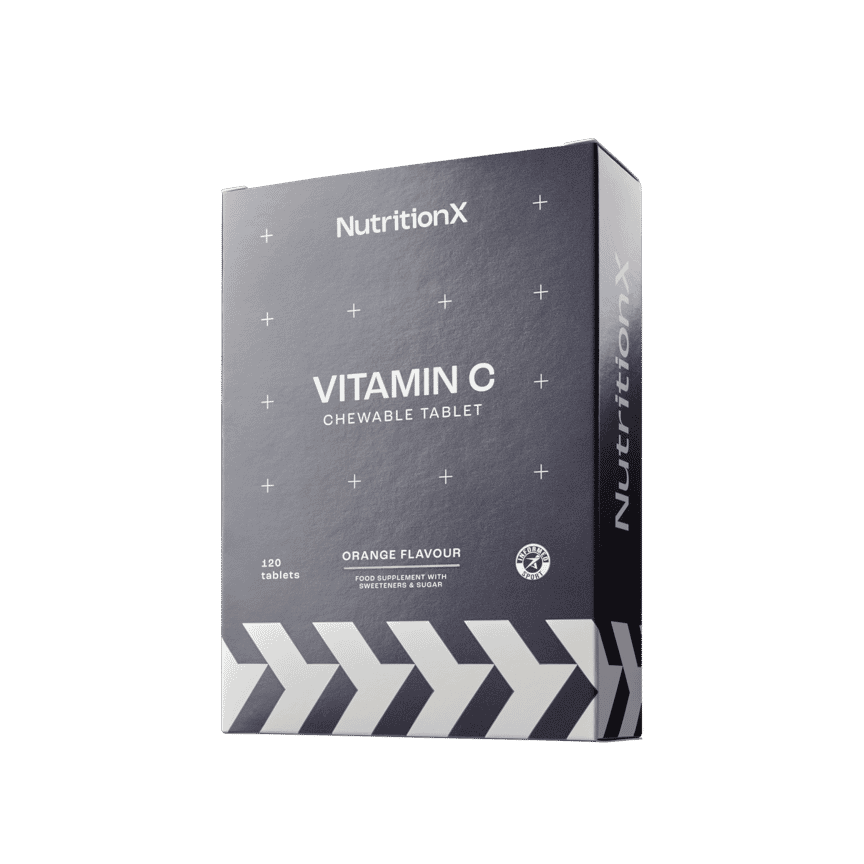
Vitamin C plays a crucial role in supporting and maintaining a normal immune system function. This is important during times of illness, when concentrations of Vitamin C that are naturally found in white blood cells can drop. Increasing Vitamin C intake may not stop the likelihood of catching a cold or flu, but it may be associated with shorter symptom duration. You should be able to get all the Vitamin C you need by eating a varied and balanced diet, but you can also take a Vitamin C supplement of 1,000mg (or less) per day.
How often should athletes take Vitamin C?
Vitamin C cannot be stored in the body, so you need it in your diet every day. You can meet your needs with a varied diet, but you can also choose to use a daily supplement to help ensure you’re getting adequate daily amounts.
Why is Vitamin C important for athletes?
Vitamin C is particularly important for athletes because it:
- Supports several systems that are placed under stress during regular training
- Contributes to collagen formation (tendons, ligaments, connective tissues)
- Acts as a major antioxidant
- Helps manage exercise-related oxidative stress
- Supports immune function
- Helps reduce the likelihood of minor infections that disrupt training
- Is used up more rapidly during intense or prolonged exercise
Find out more about Vitamin C for athletes here.
Multivitamins: The Need-to-Knows
What do multivitamins do?
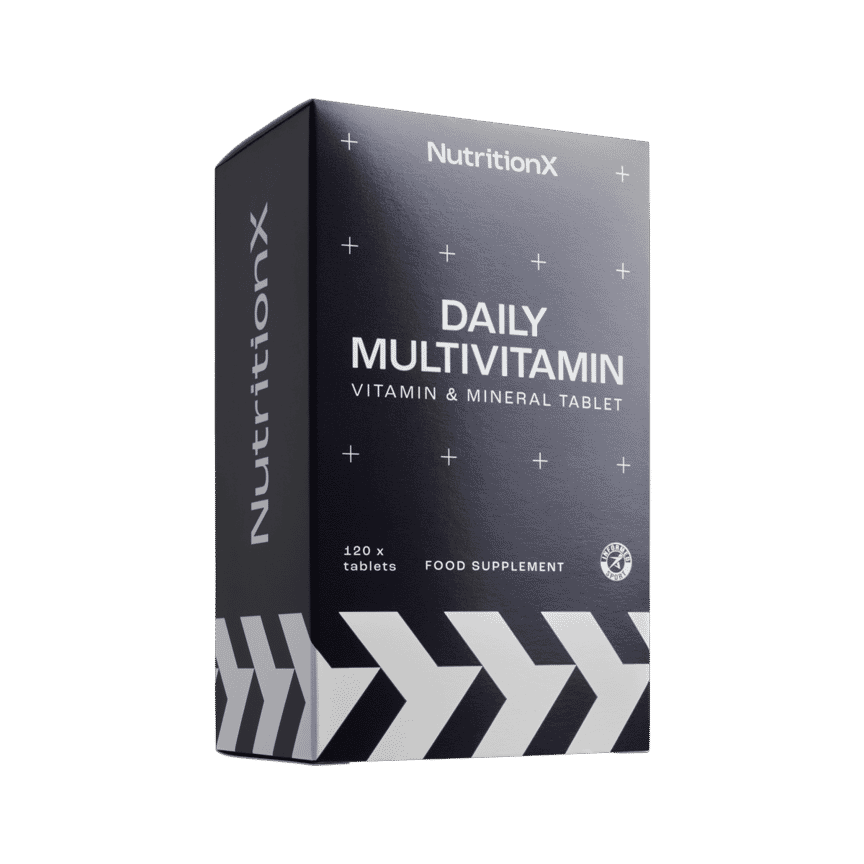
A multivitamin supplement may be useful to take each day to act like an insurance policy; not necessarily essential, but it will give you peace of mind by helping to keep micronutrient intake at bay. Typically, a multivitamin provides 100% of the NRV (Nutrient Reference Value) of key vitamins and minerals, helping you to meet your micronutrient daily intake requirements alongside your food intake. Many athletes choose to use multivitamins like the Complete Daily Multivitamin throughout the year as a simple way to support their general nutrition, especially when training, travelling, or having busy schedules make dietary consistency more challenging.
Do multivitamins work?
A multivitamin provides 100% NRV of a wide range of key vitamins and minerals to help keep any potential deficiencies at bay. For athletes whose diets vary from day to day, a daily multivitamin can help ensure they meet the recommended nutrient levels.
Probiotics: The Need-to-Knows

What do probiotics do?
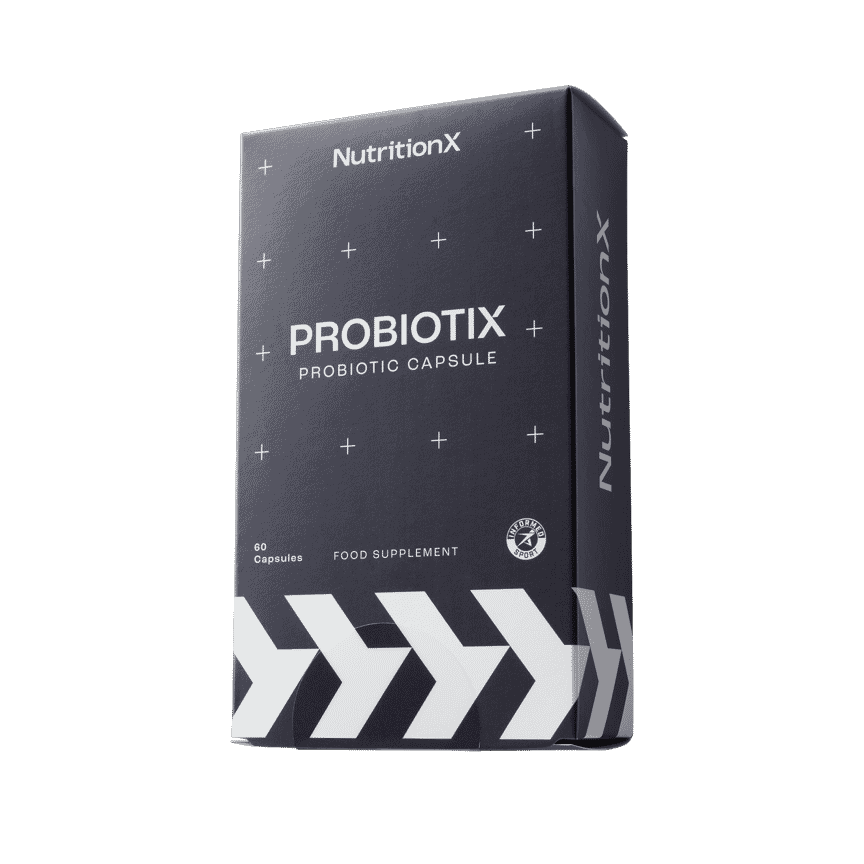
Whilst a probiotic isn’t a vitamin, it’s important to promote ‘good’ or ‘friendly’ bacteria throughout the winter months to support gut function, which may help to reduce the likelihood of illness. Probiotics introduce live “friendly” bacteria to the gut to help to balance the bacteria in your microbiota. While research on probiotics and immune health is ongoing, some studies suggest that certain strains may influence how the body responds to everyday training and seasonal stressors.
Consuming gut-friendly foods may help to promote a balanced gut microbiota, an essential factor in maintaining general digestive and immune processes that could reduce the number, severity and duration of infections of this kind, too. Look for fermented foods such as:
- Kimchi
- Kefir
- Sauerkraut
- Live yoghurt
Find out how Probiotics can help athletic performance here.
Which vitamins and minerals need to be combined and why?
Some nutrients are best absorbed or most effective when taken together. As outlined above:
- Vitamin D and calcium support bone strength
- Vitamin D3 and K2 optimise the use of absorbed calcium
- Vitamin C enhances iron absorption
- Magnesium supports Vitamin D activation
- B Vitamins work collectively in energy metabolism pathways
Understanding these nutrient interactions can help athletes recognise why some supplements combine certain vitamins and minerals rather than providing them individually.
When is the best time of day to take vitamins?
The best time depends on the nutrient:
- Fat-soluble vitamins (A, D, E, K):
Absorbed more effectively with a meal containing dietary fat.
- Water-soluble vitamins (Vitamin C and B Vitamins):
Can be taken at any time, but may be better tolerated with food.
- Iron:
Usually best taken on an empty stomach or with Vitamin C for enhanced absorption (though some may need to take it with food to avoid discomfort).
Ultimately, consistent daily intake matters more than precise timing, but pairing the right nutrients with food can improve their effectiveness.

Written by
Nutrition X