
Caffeine is one of the most widely consumed substances in the world, as well as one of the most thoroughly-researched ergogenic aids in sport. A large body of evidence shows that, when used correctly, caffeine can improve alertness, reduce feelings of fatigue and support performance across a wide range of athletic disciplines.
That said, its benefits aren’t automatic. To get the most out of caffeine, it needs to be used deliberately, with attention to dose, timing, and individual response, rather than taken habitually or without a clear performance purpose.
But how does caffeine impact performance, and why should athletes consider it as a go-to performance booster?
What is caffeine?
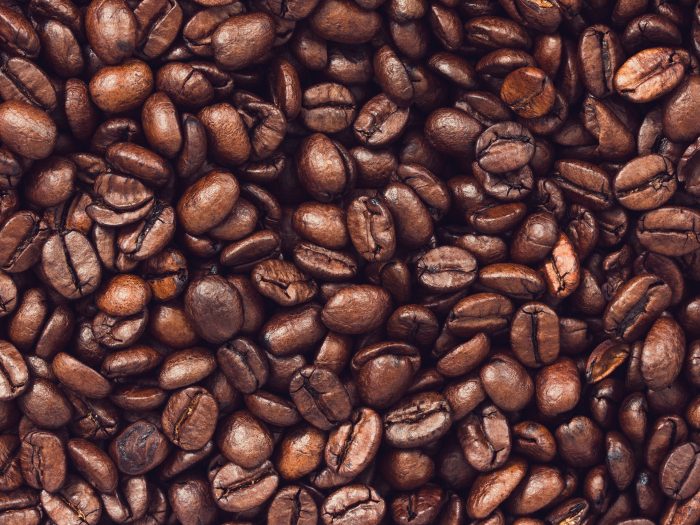
Caffeine is a naturally occurring stimulant found in coffee beans, tea leaves and cacao. It belongs to a group of compounds called methylxanthines and, in simple terms, it nudges the nervous system into a more alert state. It’s also added in synthetic form to products like gels, melts, chewing gum, pre-workouts and some energy drinks.
What effect does caffeine have on the body?
At a neurological level, caffeine works by blocking adenosine receptors in the brain. Adenosine is one of the key signals that contributes to sleepiness and the “everything is harder now” feeling that builds with long training sessions. By interfering with that signal, caffeine can reduce perceived exertion and mental fatigue; often the difference between holding pace and backing off.
It can also increase adrenaline and influence neuromuscular function, which may support power output, repeated sprint ability and decision-making under pressure. Individual responses vary (genetics, habitual intake, anxiety sensitivity, sleep status), so what can feel empowered for one athlete can feel more like wired and wobbly for another.
What forms of caffeine are there?
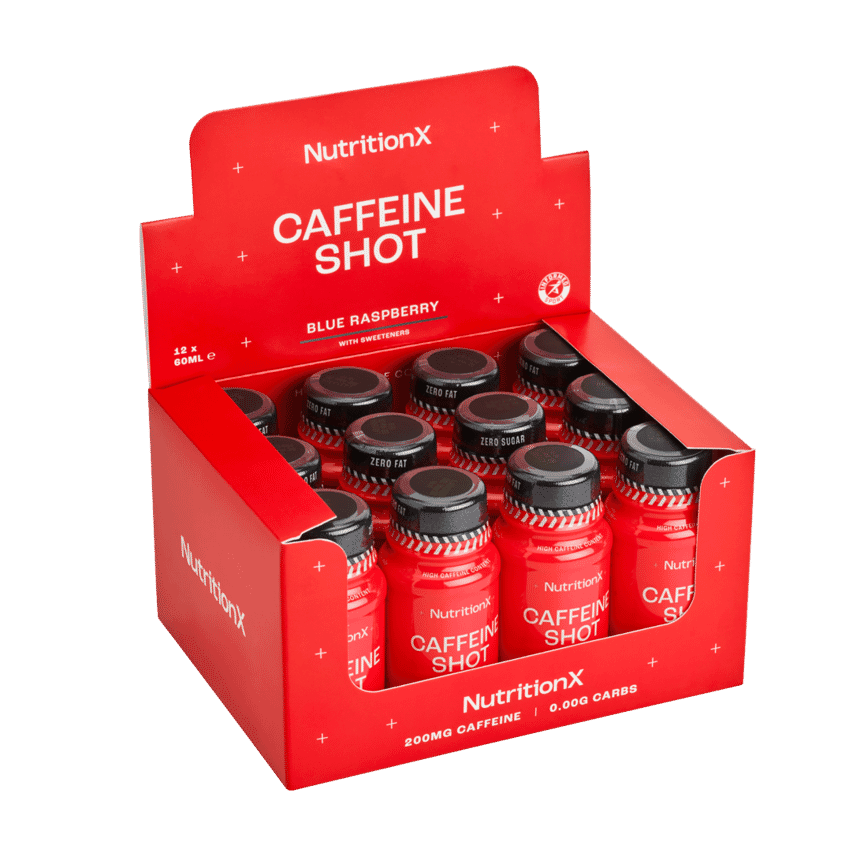
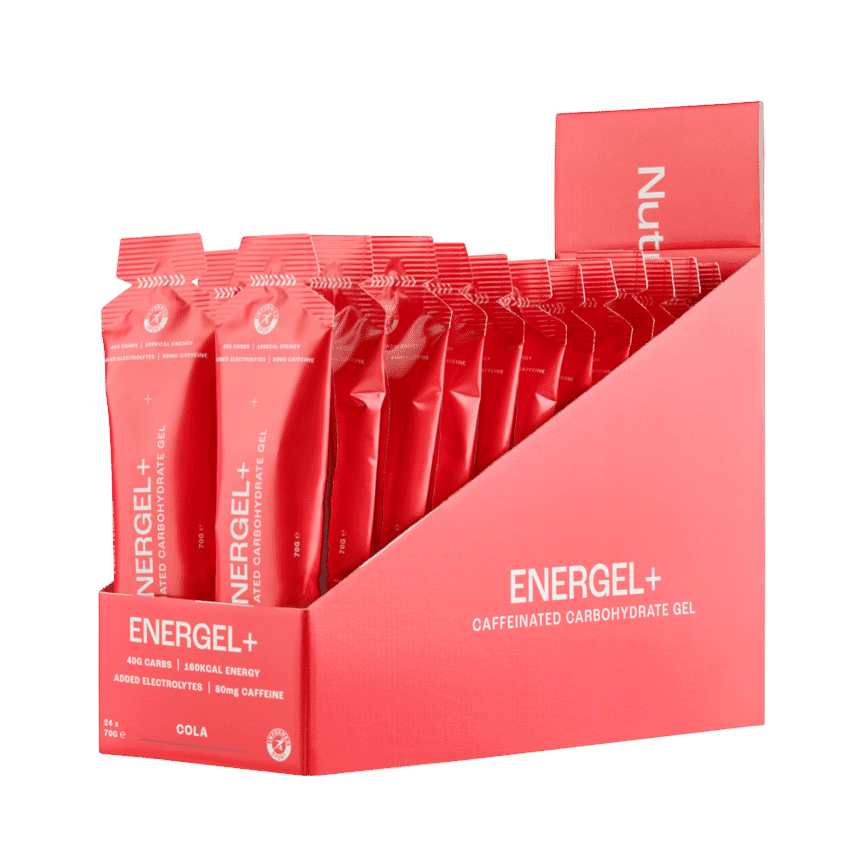
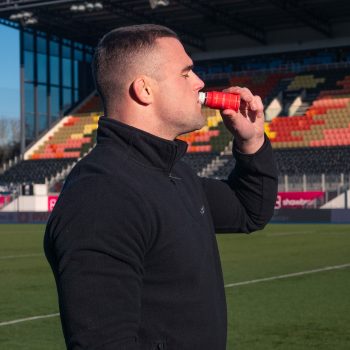
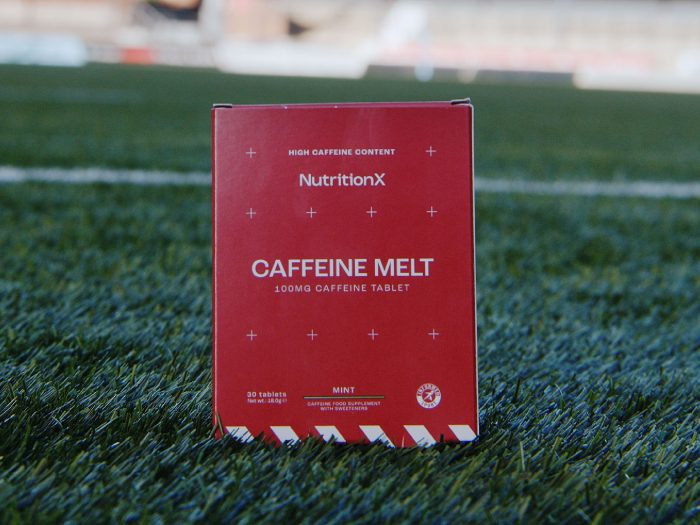
Athletes can get caffeine from everyday foods and drinks like coffee, tea, cola and chocolate, or from sports-specific products such as capsules/tablets, gels, drinks like the Caffeine Shot, gums, mouth rinses/sprays and melts like the Nutrition X Caffeine Melt. The main differences are dose accuracy, speed of delivery and gut tolerance.
What is a caffeine melt?
A caffeine melt is a small tablet designed to dissolve in the mouth, under the tongue (sublingual) or against the cheek (buccal). Caffeine melts above all make caffeine consumption quick and easy, with minimal wastage; ideal when speed is of the essence, or you want to travel light to training or competition.
What are the benefits of a caffeine melt?
The biggest benefit is practicality. A melt can be portable, discreet and doesn’t require water, handy in the final minutes before a race, during a chaotic transition, or when you’re trying to keep fluid intake controlled. For athletes who find coffee acidic, energy drinks too sweet, or gels too sticky, a melt can be a cleaner way to hit a small, targeted dose.
The Caffeine Melt also boasts higher bio-availability, offering more efficient absorption within the body for maximum efficacy. Thanks to its consumption method, it’s also a zero-waste means of hitting your caffeine dosage with accuracy; ideal when you’re needing to hit specific dosage needs.
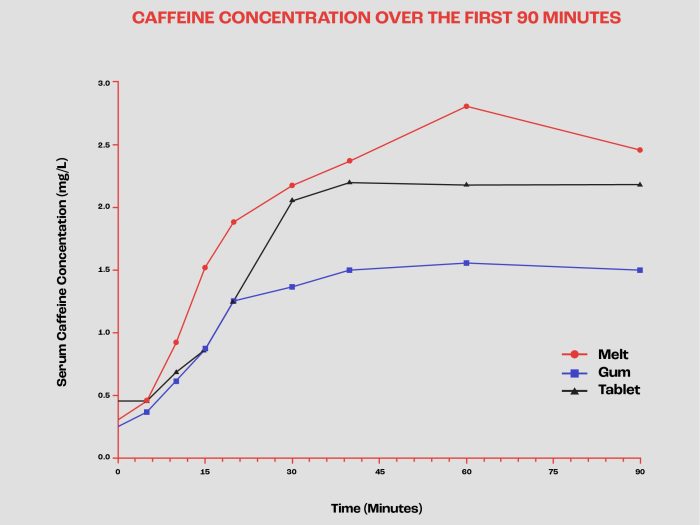
How does a caffeine melt work?
As the melt dissolves, caffeine mixes with saliva. Some of the caffeine can be absorbed through tissues in the mouth (buccal/sublingual absorption), whilst the rest is swallowed and absorbed through the gastrointestinal tract as usual. The oral absorption matters because it can accelerate early uptake, leading to a faster onset of effect.
From an athlete’s perspective, the takeaway is practical rather than biochemical: melts can be a useful option when a precise dose of caffeine is needed,without relying on coffee variability or carrying a bottle around in the last moments before you compete.
What is the best kind of caffeine to take?
The best caffeine is the one you can dose reliably, tolerate comfortably and repeat consistently. For precision, caffeine in capsule or tablet form, like the Caffeine Melt, is hard to beat, with dosage pre-determined and wastage minimal.
Coffee can work brilliantly, but caffeine content varies depending on the bean, brew method and serving size. This makes it less precise unless you’ve practised with the same setup. Faster-delivery formats (like melts and gum) can be useful when timing is tight or when you need a smaller top-up.
How should an athlete consume caffeine?
Studies consistently show performance benefits when caffeine is taken at 3–6 mg per kg of body mass, with some athletes responding to lower amounts (even around ~2 mg/kg). Higher doses (for example ~9 mg/kg) raise the risk of side effects and don’t reliably add extra performance benefit.
Response to caffeine consumption can vary from individual to individual, and so athletes should trial intake to find the minimum effective dose for them, starting low and going from there. Athletes should be especially cautious if prone to anxiety, reflux or gut upset, which caffeine can exacerbate. Sleep matters too: caffeine’s half-life in adults is often quoted at 3–7 hours, so late-day use can quietly sabotage recovery if sleep is impacted.
How does caffeine help athletic performance?
Caffeine has been shown to improve endurance performance, repeated sprint ability, strength/power expression and skill execution under fatigue. The consistent theme across studies is that athletes often report a lower perceived effort at a given workload, helping hold pace, produce power or stay alert for longer.
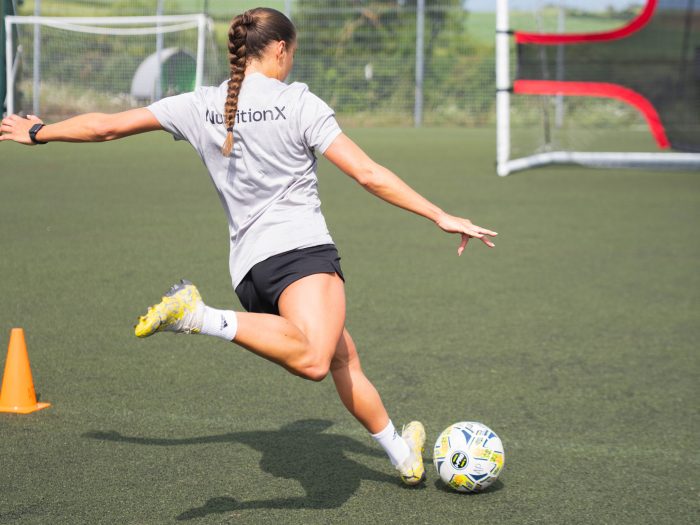
Caffeine acts on both the brain and the muscles. By blocking adenosine receptors, it can reduce perceived effort and central fatigue, alongside secondary effects that may support neuromuscular activation. Whilst not every athlete experiences the same performance benefit, evidence consistently shows that caffeine remains one of the few supplements recommended for performance, provided it is used appropriately.
When should an athlete consume caffeine?
A common strategy is taking caffeine around 60 minutes pre-exercise, which aligns with typical timing used in research. For endurance events, some athletes also use smaller doses during the event (for example, later race “top-ups”) to maintain alertness and manage perceived effort when fatigue peaks; As with any strategy, this should be used if it has been if practised in training.
If sleep is a priority (and it should be!), be conservative with late-afternoon/evening caffeine. Because caffeine can linger for hours, a “quick pre-evening session” boost can easily turn into poorer sleep quality, and compromise recovery and training adaptation the next day.
What foods contain caffeine?
Common food sources of caffeine include coffee, tea, cola/soft drinks, energy drinks and chocolate. As a rough guide from the UK Food Standards Agency, typical caffeine amounts are: a mug of coffee ~100–140 mg, a mug of tea ~75 mg, many 250 ml energy drinks ~80 mg, a can of soft drink ~40 mg, and a 50 g bar of dark chocolate ~25 mg.
Does caffeine have any negative effects?
Yes, it could have, especially when the dose is too high or the timing is poor. Common downsides include jitters, anxiety, raised heart rate, nausea, GI distress, headaches and disrupted sleep. In endurance sport, gut symptoms can hugely impact performance, so if caffeine makes you feel queasy in training, it won’t magically behave on race day or during competition.
Regular users can also experience withdrawal symptoms (headaches, irritability, low mood) if taken is suddenly reduced. Whilst caffeine is permitted in sport, it’s listed on WADA’s Monitoring Program (not prohibited, but observed for patterns of use).
How much caffeine should you have per day?
For most healthy, non-pregnant adults, European Food Safety Authority (EFSA) concludes that habitual intakes up to 400 mg per day do not raise safety concerns, and single doses of up to 200 mg are generally well tolerated. The UK Food Standards Agency also advises being mindful of supplement servings, recommending no more than 200 mg per serving and no more than 400 mg across the day from supplements. This guidance aims to help people avoid excessive caffeine intake from concentrated products such as supplements, alongside caffeine consumed from foods and drinks.
Athletes often dose caffeine relative to body mass for performance (mg/kg), but the same principle applies: use the lowest effective dose, account for all caffeine sources across the day, and don’t sacrifice sleep for a short-term buzz. If you’re pregnant, breastfeeding, under 18, have a heart condition, or take medications that interact with stimulants, get personalised medical advice before using high-dose caffeine.
To view our range of caffeine sports supplements, head here.

Written by
James Hudson